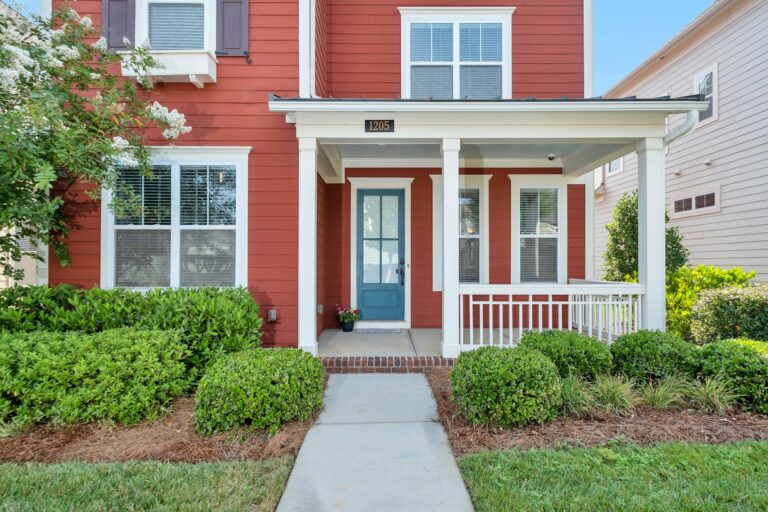
Summer Mold and Algae Removal in Central Florida
From June through September, the combination of daily thunderstorms, 90-plus-degree heat, and near-constant humidity creates conditions ideal for biological growth on every exterior surface of your Central Florida home.
Mold, algae, mildew, lichen, and moss don’t just look bad — they actively degrade the materials they colonize. Left untreated through a Florida summer, biological growth can shorten the life of your roof by years, stain concrete permanently, and create real health concerns.
5 Types of Biological Growth on Florida Homes
Gloeocapsa Magma (Black Algae on Roofs)
Those dark streaks on your roof shingles are a living cyanobacteria that feeds on limestone filler in asphalt shingles. It spreads by spore and causes accelerated shingle degradation — homes with untreated black streaks can lose five to ten years of roof life. The only safe removal method is soft washing.
Green Algae (Concrete, Driveways, Walkways)
The green film on driveways and pool decks thrives on damp concrete and creates a dangerously slippery surface. Professional driveway and patio cleaning removes algae and restores traction.
Mildew (Siding, Fences, Screened Enclosures)
Mildew appears as white, gray, or brown powdery patches on painted siding and vinyl fencing. It spreads quickly in Florida’s summer humidity and is most common on north-facing walls and shaded areas.
Lichen (Roof Tiles)
Lichen chemically bonds to roof tile surfaces and physically penetrates with root-like structures, causing microscopic damage that compounds over years. It requires professional soft wash treatment.
Moss (North-Facing Walls and Shaded Roof Areas)
Moss retains moisture directly against roofing and siding materials, keeping surfaces wet long after rain — accelerating deterioration of shingles, wood, and grout.
How Soft Washing Eliminates Mold at the Root
Soft washing applies low-pressure cleaning solutions that penetrate the surface, kill organisms at the biological level, and rinse them away. At JBC Pressure Washings, we use Enviro Bio Cleaner — a biodegradable, plant-safe solution effective against algae, mold, mildew, lichen, and moss.
Explore our full range of exterior cleaning services.
Frequently Asked Questions
Q: How quickly does mold and algae come back after cleaning in Florida?
A: With proper soft washing, most surfaces remain clean for one to three years. High-pressure-only cleaning without chemical treatment may see regrowth in weeks.
Q: Is the black streaking on my roof actually damaging the shingles?
A: Yes. Gloeocapsa Magma feeds on limestone in asphalt shingles and degrades them over time, significantly reducing roof lifespan.
Q: What is the best time of year to treat mold and algae on a Florida home?
A: Spring (March–May) is ideal for preventive treatment before the summer rainy season amplifies growth.
Q: Is soft washing safe for all types of roofing?
A: Yes — soft washing is safe for asphalt shingles, concrete tile, clay tile, metal roofing, and most residential roofing materials. It is recommended by many roofing manufacturers as the approved cleaning method.
Ready for a Spotless Property in Orlando?
JBC Pressure Washings serves all of Central Florida. Licensed, insured, and backed by our 5-year warranty.
Why Florida Has the Worst Mold and Algae Problem in the US
Florida averages 54 inches of rainfall per year and maintains relative humidity above 70% for most of the summer. Temperatures rarely drop below 50°F, which means the freeze cycles that kill organic growth in other states simply don’t happen here. The result is a year-round growing season for exterior mold, algae, and lichen — organisms that thrive in exactly the conditions Central Florida delivers every summer.
The specific culprit on most Florida roofs is Gloeocapsa magma, a cyanobacterium (blue-green algae) that appears as dark black streaks on shingles. It’s not just unsightly — it retains moisture against shingle surfaces and produces acids that break down the limestone filler in asphalt shingles over time. Roofs with significant algae growth have been shown to fail 10–15 years earlier than properly maintained roofs.
Types of Organic Growth You’ll Find on Florida Homes
Not all dark spots and discoloration on your home’s exterior are the same organism. Understanding what you’re dealing with helps explain why different treatments are needed for different surfaces:
- Black algae (Gloeocapsa magma) — Most common on roofs; appears as dark streaks or patches, spreads via wind-borne spores, penetrates shingle granules
- Green algae — Common on north-facing concrete, stucco, and siding where sunlight is limited; creates slippery surfaces and visual discoloration
- Mildew — A surface-level fungal growth that appears as gray or white powdery patches on exterior paint, particularly on covered porches and under eaves where rain doesn’t rinse the surface
- Black mold (Cladosporium and Alternaria species) — Common on wood surfaces, composite trim, and areas with chronic moisture; exterior mold can infiltrate building materials and eventually appear on interior surfaces
- Lichen — A symbiotic organism (algae + fungus) that anchors into porous surfaces like concrete, natural stone, and old clay tiles; the most difficult to remove and the most damaging because the anchoring process physically erodes the surface
- Spanish moss and air plants — Florida-specific; while not damaging to trees, organic debris from Spanish moss accumulates in gutters and on roofs, creating moisture retention and serving as a bed for algae growth
Health Implications of Exterior Mold in Florida
Exterior mold isn’t just a cosmetic or structural problem — it poses real health risks when spore counts are high. Florida’s outdoor mold spore counts are among the highest in the country, particularly in summer. When exterior mold colonies are disturbed by rain or wind, they release large numbers of airborne spores that enter homes through windows, doors, and HVAC intake vents.
For individuals with asthma, allergies, or compromised immune systems, high indoor mold spore counts can trigger respiratory symptoms, asthma attacks, and prolonged sinus issues. This is particularly relevant in homes with older HVAC systems that don’t filter spores effectively.
Regular exterior mold treatment reduces ambient spore counts around your home, which reduces the mold load entering your living space. This is a health benefit that’s difficult to quantify but well-documented in peer-reviewed literature on building science and indoor air quality.
Treatment Methods: What Actually Works vs. What Doesn’t
The pressure washing industry has evolved significantly in its understanding of how to treat biological growth. High-pressure water alone does not effectively treat mold and algae — it removes surface-level growth but leaves spores embedded in porous materials. Within 30–60 days, growth returns to the same or worse levels.
Effective exterior mold treatment requires a two-step approach:
- Chemical pre-treatment — A sodium hypochlorite (bleach) solution at appropriate concentration for the surface type is applied and allowed to dwell. This kills biological organisms at the cellular level, including embedded spores.
- Rinse and removal — After the dwell period (typically 10–20 minutes), the dead organic material is rinsed from the surface. For vertical surfaces like siding and stucco, this can be a low-pressure rinse. For horizontal surfaces like driveways, pressure washing removes the loosened material more effectively.
Professional exterior cleaners adjust chemical concentrations based on the surface type, the severity of growth, and the presence of nearby landscaping. Consumer-grade products sold at hardware stores are typically diluted to safe-for-DIY concentrations that are often insufficient to kill heavily established mold colonies.
How Often Should You Treat Mold and Algae in Central Florida?
Given Florida’s climate, the realistic maintenance schedule for exterior organic growth is:
- Roof soft wash: Every 2–3 years for most homes; annually for homes surrounded by mature tree canopy
- House exterior wash: Every 1–2 years; north-facing facades may need annual attention
- Driveway and concrete: Every 1–2 years; driveways under trees may need annual cleaning
- Gutters: 2–3 times per year in Central Florida (spring, mid-summer, late fall)
- Pool deck and lanai: Every 1–2 years or as needed based on organic debris accumulation
Annual whole-home exterior cleaning contracts are increasingly popular with Orlando-area homeowners because they ensure consistent maintenance and typically offer 10–15% cost savings versus scheduling individual services. JBC Pressure Washings offers annual maintenance agreements that include scheduled roof washing, house washing, and gutter cleaning on a calendar that aligns with Florida’s seasonal growth patterns.
Prevention Between Professional Cleanings
Between professional visits, homeowners can slow organic growth with a few simple practices:
- Trim tree canopy away from the roofline — Shade encourages algae; branches deposit organic debris that feeds growth
- Keep gutters clear — Gutter overflow contributes to moss and algae growth on fascia, soffit, and exterior walls
- Improve drainage around the foundation — Standing water near stucco bases accelerates algae colonization of lower wall sections
- Run sprinklers away from structures — Irrigation overspray on walls, driveways, and fences accelerates mold and algae growth dramatically