Pre-Hurricane Pressure Washing Checklist for Florida Homeowners
Hurricane season in Florida runs from June 1 through November 30. While most storm prep checklists focus on shutters and generators, one step consistently overlooked is the condition of your home’s exterior.
Clogged gutters, debris-laden roofs, cracked driveways, and blocked drains can dramatically worsen storm damage. Getting a professional exterior cleaning before storm season is one of the highest-value investments a Central Florida homeowner can make.
Why Clean Before a Storm?
- Clean gutters drain water faster. During a hurricane, rainfall can exceed several inches per hour. Clogged gutters overflow immediately, directing water against your fascia, foundation, and interior walls.
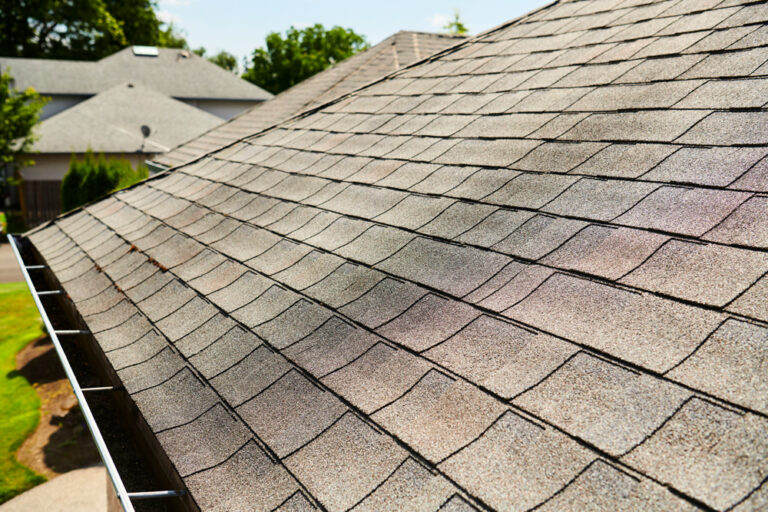
- Algae and moss on roofs trap water. Biological growth retains moisture and can compromise the seal between shingles or tiles, creating entry points for water during high winds.
- Cracks in driveways worsen under storm water pressure. Existing cracks allow storm water to penetrate and undermine the base material.
- A documented clean exterior helps your insurance claim. Photographed proof of pre-storm condition establishes a clear baseline for damage claims.
Pre-Hurricane Checklist
Roof and Gutters First
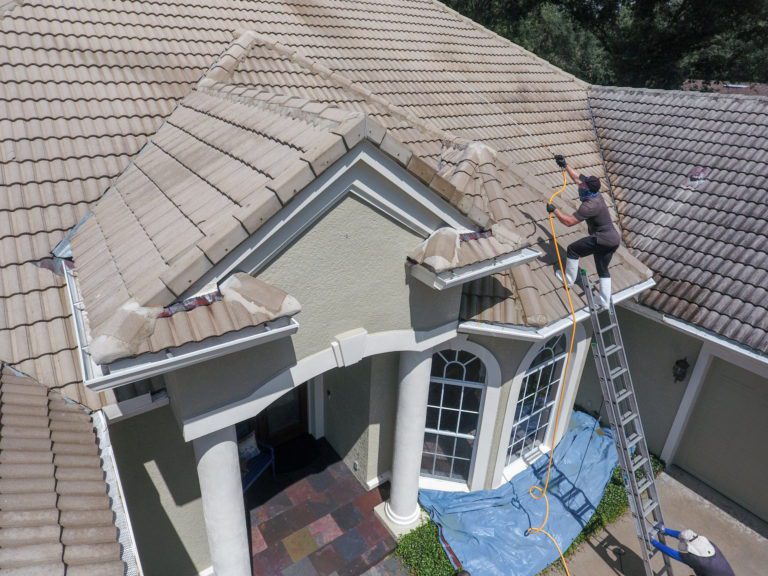
Have your roof professionally soft-washed and gutters completely cleared six to eight weeks before peak hurricane season. Our roof soft washing service safely removes biological growth, and our gutter cleaning service verifies full flow capacity.
Clear All Drains
Walk your entire property and identify every drain, French drain inlet, and area drain. Flush each one to verify flow. If any drain is slow or blocked, address it before storm season.
Inspect Driveway Cracks
Have the surface professionally cleaned to clearly see the extent of cracking. Seal any cracks wider than a quarter-inch before storm season to prevent water intrusion and base layer failure.
Wash and Document Exterior Walls
Have your full exterior cleaned, then photograph every side of your home in detail. These photos combined with a dated cleaning receipt create a solid pre-storm documentation package invaluable for insurance claims.
Post-Hurricane Cleanup
Document first, clean second. Before removing any debris, photograph and video everything. Then schedule a post-storm exterior cleaning to remove debris, contaminants, and biological matter stirred up by the storm.
Frequently Asked Questions
Q: How far in advance of hurricane season should I schedule exterior cleaning?
A: Aim for April or May. This gives you time to address issues found during cleaning before storm season peaks in August and September.
Q: Does pressure washing before a storm actually reduce storm damage?
A: Yes, indirectly. Clearing gutters prevents water overflow. Removing moss and algae eliminates moisture-trapping material. Identifying cracks prevents water intrusion.
Q: Do you serve areas outside Orlando for pre-hurricane cleaning?
A: Yes — JBC serves all of Central Florida, including Kissimmee, St. Cloud, Sanford, Deltona, Clermont, Apopka, Oviedo, Lake Mary, and surrounding communities.
Ready for a Spotless Property in Orlando?
JBC Pressure Washings serves all of Central Florida. Licensed, insured, and backed by our 5-year warranty.
Why Exterior Cleaning Matters More in Hurricane Country
Florida’s tropical climate creates conditions that accelerate organic growth on home exteriors. By late spring, most roofs have months of accumulated black algae (Gloeocapsa magma), gutters packed with decomposed oak leaves and Spanish moss, and driveways covered in a layer of mold and lichen. None of this is merely cosmetic — each problem becomes a structural vulnerability when a major storm hits.
Algae-covered shingles absorb more heat and moisture. In sustained winds, moisture-compromised shingles lift and peel faster than clean ones. Gutters blocked with organic debris can’t handle the 2–4 inches of rain per hour that a tropical storm delivers, forcing water back toward the fascia board and into your attic. A pre-season pressure washing and soft wash eliminates these compounding risk factors before they matter.
The Gutter Problem: Florida’s Silent Storm Multiplier
Central Florida’s live oaks shed continuously — not just in fall, but year-round. By June 1, it’s common to find gutters that are 60–80% blocked with decomposed organic material. When 3 inches of rain falls in 45 minutes (common during tropical storm conditions), a blocked gutter system overflows toward the foundation and forces water behind fascia boards.
Water intrusion behind fascia leads to wood rot, attic moisture infiltration, and eventually mold growth inside the wall cavity. The repair cost: $2,000–$8,000 for fascia replacement and mold remediation, versus $150–$250 for a professional gutter cleaning before storm season.
Professional gutter cleaning includes flushing downspouts to ensure the entire system flows freely — not just removing surface debris. This is critical because blockages in downspout elbows and underground drainage extensions are invisible from the surface and cause the same overflow problems.
Roof Pre-Treatment: The 30-Day Rule Before Storm Season
Soft washing a roof (low-pressure application of a sodium hypochlorite solution) doesn’t just improve appearance — it kills the biological organisms that accelerate shingle deterioration. After treatment, the dead algae and mold rinse off over the next few weeks with normal rain.
The timing matters: schedule roof soft washing at least 30 days before peak storm season. This gives the treatment time to work fully and ensures your roof is in the best possible condition entering June. Roofs treated in March or April are in optimal shape by hurricane season’s start — as opposed to roofs treated in August, which may still be mid-treatment when the season peaks.
Driveway and Walkway Cleaning: Preventing Post-Storm Slip Hazards
Mold and algae-covered driveways become ice-rink slick when wet under normal conditions. Add several inches of standing water from a tropical storm and the hazard increases dramatically. Post-storm, when residents are moving debris, checking damage, and navigating their property, a slippery driveway or walkway is a serious fall risk.
High-pressure concrete cleaning before storm season removes the biological film that creates slippery conditions. Most professionals apply a post-cleaning mold inhibitor that slows regrowth for 6–12 months, keeping surfaces safer well into the storm recovery period.
Post-Hurricane Pressure Washing Checklist
After a storm passes, exterior cleaning addresses storm-specific debris and residue. Here’s what a post-hurricane exterior cleaning should cover:
- Roof inspection and debris removal — Branches, leaf debris, and displaced materials should be removed before any inspection; a surface-level wash removes the fine debris that traps moisture against shingles
- Gutter re-clearing — Storms deposit large amounts of organic material in gutters; re-flush all gutters and downspouts after the storm passes
- Driveway and walkway wash — Storm debris tracked across concrete encourages rapid mold regrowth in Florida’s post-storm humidity; a quick pressure wash resets the surface
- Fence and exterior wall rinse — Standing water and debris contact accelerates mold colonization on painted and stucco surfaces; a low-pressure rinse within 48 hours of a storm prevents this
- Pool deck — Florida screened lanai and pool areas accumulate fine debris that stains pavers within days if not cleaned promptly after a storm
Timing Your Pre-Season Service: The Optimal Window
Based on Central Florida’s climate patterns, the ideal window for pre-hurricane exterior cleaning is April 15 – May 15. Here’s why this window works best:
- Live oak leaf drop is complete by mid-April, meaning gutters cleaned before this window will need re-cleaning
- The dry season (November–May) makes for better cleaning conditions and faster drying times
- Companies book up quickly in May as homeowners rush to prepare; scheduling in April means better availability and often lower pricing
- A 30-day lead time before June 1 allows soft-wash treatments to complete their full treatment cycle
If you miss the pre-season window, the next best time is immediately after the first named storm of the season. Early storms often deliver enough rain to flush treated surfaces, and you’ll be ready for the more severe storms that statistically peak in August–October.
Insurance Documentation: Clean Before You Claim
If a major storm damages your property, your insurance adjuster will inspect your home’s exterior. Documented evidence that you maintained your home’s exterior in good condition strengthens your claim. Insurance companies can and do cite deferred maintenance — like decade-old black algae on a roof or visibly clogged gutters — as evidence of negligence that reduces claim payouts.
Professional exterior cleaning companies provide invoices with dates of service. This documentation, kept with your home maintenance records, demonstrates that you kept your property properly maintained prior to any storm event. Some Florida homeowners insurance policies even offer premium discounts for documented roof cleaning, since clean roofs have better longevity data.
The JBC Pressure Washings team documents every job with before-and-after photos and provides a digital invoice you can store in your home records. If you’re a landlord or property manager, this documentation also supports your maintenance records for tenant and property management purposes.
What to Include in Your Pre-Season Exterior Cleaning Scope
When scheduling a pre-hurricane season service, here’s the recommended full-property scope for a Central Florida home:
- Roof soft wash — SH-based treatment kills algae, lichen, and mold at the root; essential for shingle longevity
- Gutter flush and downspout clearing — Full flush from gutter to underground drain exit point
- House exterior wash — Low-pressure soft wash for stucco, lap siding, fascia, and soffits
- Driveway pressure wash — Removes biofilm and mold, applies post-cleaning mold inhibitor
- Walkways and entryways — Often overlooked; particularly important for slip prevention during and after storms
- Pool deck or lanai — Pavers and concrete around pools accumulate organic material that stains permanently if left through a storm season
- Fence line — Optional but recommended; storm debris caught by fencing accelerates mold growth on fence surfaces
Most Central Florida homes can be fully serviced in a single half-day visit. Bundling services into one appointment reduces mobilization costs and ensures consistency — the same crew, the same chemistry, and sequential work that avoids re-contaminating already-cleaned surfaces.