DIY vs Hiring a Pro: When to Pressure Wash Yourself (And When Not To)
Renting a pressure washer feels like a win — you save money and the driveway looks better. But for every homeowner who successfully cleans their patio, there’s another who strips paint, cracks a tile, or etches their concrete. Knowing the difference between safe DIY work and work that needs a professional could save you thousands.
When DIY Pressure Washing Is Fine
- Ground-level concrete on flat surfaces — basic driveways or patio slabs with no significant staining
- Outdoor furniture and equipment — plastic furniture, lawn equipment, trash cans
- Fencing (vinyl or wood, single-story level) — accessible fence sections on level ground
- Vehicles and boats — low-pressure washing with an appropriate nozzle
PSI Guide by Surface Type
| Surface | PSI | Notes |
|---|---|---|
| Roof (any type) | Soft wash only | Professional only — never DIY |
| Stucco siding | 500–800 PSI | Extremely easy to etch; soft wash preferred |
| Vinyl siding | 1,000–1,500 PSI | Angle downward; avoid forcing water behind panels |
| Concrete driveway | 2,500–3,000 PSI | Surface sealer condition matters |
| Pavers | 1,200–1,800 PSI | High pressure erodes jointing sand |
| Wood deck | 500–1,000 PSI | Follow grain; excess pressure causes fuzzing |
5 Situations Where You Should Never DIY
1. Roof Cleaning of Any Kind
Any roof cleaning is a fall risk and a roofing damage risk if done incorrectly. Our roof soft washing service is the professional solution.
2. Two-Story or Multi-Story Homes
Using pressure washing equipment from a ladder is hazardous. The recoil force is enough to throw you off balance.
3. Stucco Surfaces
Stucco is porous and vulnerable. Excessive pressure causes pitting and surface erosion that compromises the moisture barrier. Repairing stucco damage is expensive.
4. Surfaces Near Electrical Components
Exterior outlets, light fixtures, AC disconnect boxes, and HVAC units should never be in the direct line of pressure washing spray.
5. Post-Hurricane Debris Removal
After a major storm, pressure washing without proper assessment can push contaminants into materials and damage already-weakened surfaces.
The Real Cost Comparison
DIY costs: Pressure washer rental $75–$150/day + cleaning solutions $30–$80 + your time + risk of $500–5,000+ in surface damage.
Professional cleaning: $250–$500 for a typical Central Florida home, zero time commitment from you, commercial-grade results, and JBC’s 5-year warranty.
Frequently Asked Questions
Q: Is renting a pressure washer worth it for a one-time project?
A: For low-risk surfaces like a basic concrete patio, renting can be cost-effective. But factor in your time, rental cost, and risk of surface damage before committing.
Q: What PSI should I buy for home use?
A: For general home use, a 1,500–2,000 PSI electric washer is a reasonable choice. Avoid zero-degree nozzles for almost all residential applications.
Q: Can pressure washing remove oil stains from my driveway?
A: Light surface oil, yes. Deep stains require pre-treatment with degreasing agents. A professional applies appropriate degreasers with proper dwell time for significantly better results.
Q: Do professional pressure washing companies provide a warranty?
A: Reputable companies do. JBC Pressure Washings backs all services with a 5-year warranty.
Ready for a Spotless Property in Orlando?
JBC Pressure Washings serves all of Central Florida. Licensed, insured, and backed by our 5-year warranty.
The Real Cost of DIY Pressure Washing in Florida
Before renting a pressure washer, run the numbers. A standard gas-powered rental from Home Depot or Lowe’s costs $80–$120 per day. Add in tip cost for a surface cleaner attachment ($30–$40), cleaning solution ($20–$40), safety glasses, ear protection, and your time — and a “free” Saturday afternoon can easily cost $200 or more.
Professional pressure washing for a typical Central Florida home (2,000–2,500 sq ft) runs $150–$400 depending on services. The difference is minimal when you factor in your time, but the professional brings equipment worth $3,000–$10,000, years of surface-specific experience, and liability insurance. If they damage something, they pay for it. If you damage your stucco, you pay for it.
In Florida, the stakes are higher because homes here deal with unique challenges: limestone dust from construction, iron staining from well water, and aggressive black algae (Gloeocapsa magma) that penetrates shingles and can cost $8,000–$15,000 in premature roof replacement if left untreated.
7 Common DIY Pressure Washing Mistakes That Cost Money
- Using too-high PSI on stucco or wood — Florida homes are heavily stucco. Even 1,200 PSI on weathered stucco can create gouges and create moisture intrusion points that lead to mold inside walls.
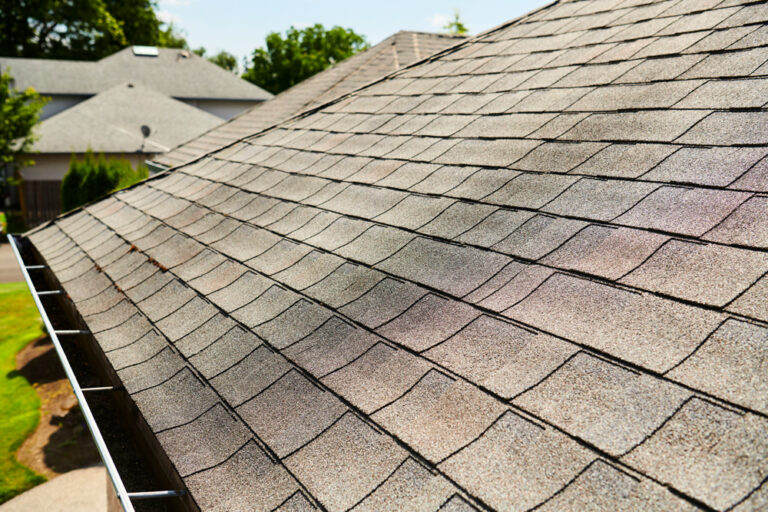
- Pressure washing a roof — High pressure strips the mineral granules off asphalt shingles, immediately voiding your roof warranty. Roofs require soft washing (low pressure + cleaning solution), period.
- Working from a ladder — Two-story areas should always be accessed with a telescoping wand from the ground, not a ladder. Ladders and pressure washers are a dangerous combination.
- Skipping the pre-treat — Spraying water without a cleaning agent on mold and algae just scatters the spores. A proper sodium hypochlorite pre-treatment kills organic growth at the root; pure pressure washing without it means regrowth within weeks.
- Using the wrong nozzle — A 0-degree red nozzle can cut through skin, damage wood, and etch concrete. Most residential surfaces need a 25-degree or 40-degree tip.
- Pressure washing windows — High-pressure water forces itself behind seals and mullions, causing fogging between double-pane glass. Replacement panels run $150–$400 each.
- Forgetting to protect landscaping — Plants, especially in Central Florida’s heat, need to be pre-wet and covered before cleaning solution is applied. Caustic runoff kills ornamentals fast.
What Equipment Professional Pressure Washers Actually Use
Consumer pressure washers from big-box stores run 1,500–2,000 PSI and 1.5–2 GPM (gallons per minute). Professional units run 3,500–4,000 PSI and 4–8 GPM. The volume (GPM) matters more than pressure for cleaning efficiency — it’s what carries the dirt off the surface.
Commercial rigs also include:
- Surface cleaners — Flat, spinning heads that clean flat concrete 3–4 times faster and more evenly than a wand, eliminating the “tiger stripes” common with DIY wand work
- Downstream injectors — Precisely metered cleaning solution delivery systems that apply the right concentration of sodium hypochlorite for safe, effective mold removal
- Hot water units — Critical for grease removal on commercial surfaces like drive-throughs and kitchen exhaust areas; consumer rentals are cold-water only
- Telescoping wands — Allow safe, consistent cleaning of two-story heights from the ground
No home rental setup comes close to this. The equipment gap is why professional results genuinely look different — not just because of experience.
The Insurance Question: What Happens When Something Goes Wrong
This is the most overlooked factor in the DIY vs. pro decision. If you pressure wash your neighbor’s fence and accidentally damage their vinyl siding, that’s on your homeowner’s insurance — and likely your deductible. If you damage your own roof by using high pressure, you may void your roof manufacturer’s warranty.
Licensed pressure washing companies in Florida carry general liability insurance (typically $1–2 million per occurrence) and worker’s compensation. If a technician slips on your wet driveway, you’re not liable. If the equipment damages a window or strips paint from a door, the company’s insurance covers it. Ask any company you hire for a certificate of insurance before work begins — a reputable company sends it immediately.
When DIY Is Simply Not Worth the Risk in Florida
Even if you’re handy and comfortable with equipment, these are situations where the risk-to-reward ratio strongly favors hiring out:
- Any part of your roof — tiles, shingles, metal panels, or flat foam roofs
- Two-story or higher exterior surfaces
- Aging stucco with existing cracks or repairs
- Painted surfaces (especially older homes with lead-based paint)
- Solar panels (require manufacturer-specified soft washing only)
- Brick or natural stone that hasn’t been previously sealed
- Driveways or pool decks with existing spalling or pitting
How to Pick a Pressure Washing Company in Orlando
Not all pressure washing services are equal. Here’s a quick vetting checklist for Central Florida homeowners:
- Licensed and insured — Request a certificate of insurance, not just a verbal confirmation
- Soft wash capable — Any company that offers to power-wash your roof is either uninformed or cutting corners
- Reviews on Google — Look for companies with 50+ reviews and a pattern of specific, detailed feedback (not generic “great job” posts)
- Quotes specific surfaces — Reputable companies ask about surface types, square footage, and existing conditions before quoting
- Written estimate — Avoid any company that won’t provide a written scope of work before starting